New research has unfortunately revealed bad news about mosquitoes and their habits. A new study done by mBio and reported by Voice Of America News claimed, “A new study finds that the parasite that causes the disease produces an odor which attracts mosquitoes, inviting more bites and infections.” The problem which comes to mind right away is the idea of getting bitten by a mosquito which does not carry Malaria, but it attracts other potential mosquitoes which could potentially carry the deadly virus.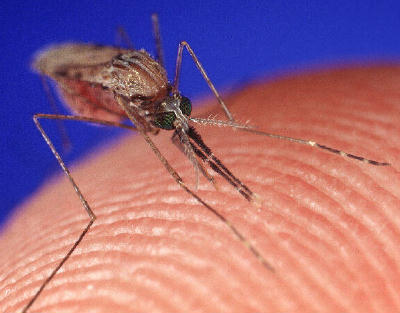
The reason other mosquitoes are attracted to other bites is because of a certain scent which is released (terpenes). When humans are bitten, the odor is released when they sweat or go into motion. This is when the mosquitoes will pick up the scents and are able to find their next potential victim.
Although this could hurt humans by infecting more people, it can also help with research. Researchers are currently undergoing studies to find a way in which they can detect the odor and treat bite victims accordingly before they are attacked by other mosquitoes. Being able to recognize who is affected and who is not affected is a vital key in curbing the spread of the deadly virus.
After identifying these people who have been bit, inhibiting a medicine which is essentially a fly trap which will destroy the mosquito before it can go and infect another member of society. These tactics are still in the research stages, but the researchers are hopeful that they can implement this tactic in the very near future.
For more updates on Malaria and other diseases, please visit Scott Filler‘s official website.

 These mosquitos can be detected as hungry or not based on their flight pattern when entering a funnel which detects if the mosquito is flying erratically in search of food, or flying normally. These traps which are set up to analyze the flight direction of the mosquitos use human odor and heat to inspect the bugs pattern.
 George Church, professor of genetics at Harvard Medical School has a new ‘cutting-edge’ mosquito research that could eradicate the Malaria carrying mosquito population completely within a few generations. Church has come with the idea to genetically alter the genes of male mosquitos since they are ones who do not feed on human blood, they feed on plant nectar, which in turn means they do not spread or transmit Malaria.
 g mosquitos. This could take a few generations and according to the journal Nature Communications this could work,

 The Global Fund is an international financing organization established in 2002 to fund the fight against AIDS, malaria and tuberculosis. SAP recently announced that SAP technology is helping the organization get a better understanding of how their financial investments are being used for disease prevention and treatment. Over a period of four years, SAP committed US$4million to the Global Fund. The Global Fund’s Innovative Coalition unites private sector organizations to tackle significant issues related to the organizations mission of fighting preventable and treatable diseases.
 West Africa, at present, has seen over 1,000 deaths from the outbreak since the month of February and now it is in the middle of its rainy season, prime time for for malaria transmission due to mosquito breeding. It doesn’t look good for many of the hospitals either as many of them have been shut down because of the sheer impact of the virus. Furthermore, it appears that many people in need of treatment for other diseases are now avoiding hospitals to not be hit with the Ebola virus themselves.
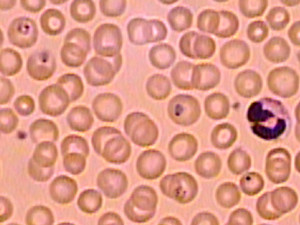 Medicines can usually treat the illness but many Malaria parasites survive because they are in your liver or they are resistant to medications. If you have been in an area where Malaria is present, it is important for you to get medical help right away in case if you were exposed to mosquitoes or are getting symptoms similar to the flu. Again, these include high fever, chills and muscle pain. You might be able to prevent Malaria before by taking medicine before, during and after traveling to an infected area. However, using medication to prevent Malaria doesn’t always work. This is due to some parasites being resistant to the Malaria medication.